Exploring the Tallest Buildings in the UAE
Intro
The United Arab Emirates, particularly Dubai, has long captured attention with its diverse skyline. Towers rise as high as the imagination can envision, representing a fusion of modern technology and rich cultural heritage. One can't help but marvel at such structures, their stature and elegance shimmering against the desert sun, inviting both admiration and inquiry.
In this exploration, we delve into the tallest buildings in the UAE, discussing not only architectural intricacies but also the implications of these monumental edifices in the context of the real estate market. As investors and home buyers look for solid opportunities, understanding the journey these structures represent becomes essential. This guide serves as a compass, charting the waters of investment potential, growth trends, and the broader urban narrative that these towering giants narrate.
The architectural excellence found in the UAE is not just about pride in height, but also about innovation in engineering. Each building tells a story, reflecting both the aspirations of a nation and cultural nuances that resonate through society. From the towering Burj Khalifa, which stands as the tallest building in the world, to other noteworthy structures, they embody significant investments and a peek into lifestyle aspirations within this dynamic region.
Prelims to Urban Architecture in the UAE
Urban architecture in the United Arab Emirates stands as a testament to the rapid transformation of cities in the region. In a matter of decades, the UAE has evolved from a collection of humble fishing villages into a bustling epicenter of innovation and luxury. The architectural landscape, predominantly dominated by glass skyscrapers and innovative designs, serves not only as an aesthetic marvel but also as a significant factor in economic development and cultural identity.
The importance of examining urban architecture in this context cannot be overstated. It allows us to appreciate how these towering edifices redefine the skyline while influencing lifestyle, commerce, and even tourism. These buildings act as economic hubs, drawing local and international investors alike, enhancing the real estate market and creating jobs. This article aims to explore these architectural wonders in detail, shedding light on their multifaceted contributions.
Defining the Skyline
The skyline of a city tells its story—one of growth, ambition, and vision. In the UAE, particularly in cities like Dubai and Abu Dhabi, the skyline is not just a collection of tall buildings but a symbol of modernization and prestige. Each skyscraper is designed not merely as a structure but as a piece of art that communicates the values and aspirations of its time.
Moreover, the skyline stands as a beacon for tourism, attracting millions who wish to witness marvels like the Burj Khalifa and the Etihad Towers. Local pride is palpable as residents view these skyscrapers as reflections of national achievements.
- Tourism Attraction: Each iconic high-rise, from the Burj Khalifa to the twisting Cactus Tower, lures visitors eager to behold the marvels of contemporary engineering.
- Cultural Representation: The architectural designs often incorporate traditional Emirati motifs, integrating cultural elements into a modern context, reinforcing identity amidst globalization.
- Economic Significance: The soaring heights often translate into lucrative opportunities in hospitality, retail, and residential sectors, creating a ripple effect within the economy.
In essence, the ways in which these structures define the skyline extend beyond mere height and scale; it encapsulates the hopes and dreams of a nation.
Cultural Influences on Design
Cultural influences play an instrumental role in shaping the architectural landscape of the UAE. The blend of tradition and modernity manifests in the designs of skyscrapers, where engineers and architects draw inspiration from the rich cultural heritage of the region.
- Islamic Architecture: Many buildings integrate traditional Islamic patterns and calligraphy, intertwining history with modern designs. For instance, the Sheikh Zayed Grand Mosque reflects intricate details that honor Islamic art, while skyscrapers might incorporate similar aesthetics.
- Environmental Considerations: The harsh climate of the region has led to the adoption of innovative design solutions that promote sustainability. Natural ventilation techniques and reflective glass facades are now common features, balancing modern conveniences with environmental responsibility.
- Global Influences: The cosmopolitan nature of the UAE means that designs also borrow heavily from international trends. From art deco to modern minimalism, the architectural vernacular consists of a fusion of styles that showcase a commitment to excellence and novelty.
Engaging with these cultural influences enables a deeper appreciation of how buildings in the UAE are more than just physical structures; they serve as conduits of cultural dialogue and expression.
"Architecture is not just about buildings; it’s about conveying cultural stories and understanding the essence of a community’s identity."
In summary, urban architecture in the UAE is a dynamic tapestry woven from various influences, making the examination of this landscape not just relevant but critical in understanding the cultural and economic narratives at play.
Burj Khalifa: The Pinnacle of Engineering
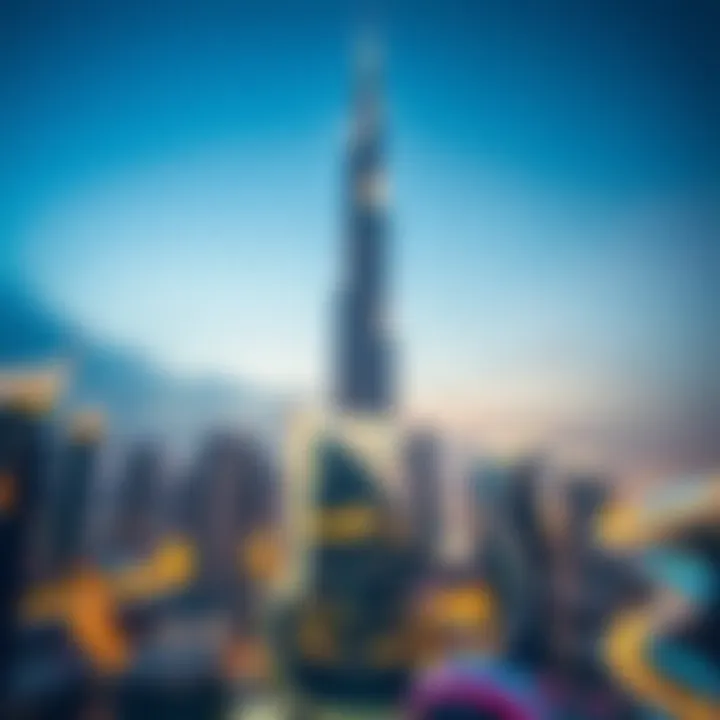
The Burj Khalifa stands as a testament to modern engineering and architectural ingenuity. At 828 meters, it holds the title of the tallest building in the world, a claim that draws not just the eye but also the imaginations of engineers, architects, and the general public alike. This structure isn’t just about reaching impressive heights; it embodies a level of innovation and design that has implications far beyond its towering silhouette against the Dubai skyline.
Structural Innovations
The engineering feats that went into building the Burj Khalifa are remarkable. Firstly, the structure utilizes a unique buttressed core design which allows it to withstand the high winds experienced at such elevations. This design, which incorporates a series of hexagonal columns, provides a strong, stable shell that can endure lateral forces far better than conventional skyscraper designs.
Moreover, the building's materials play a crucial role. The concrete mix used is one of the most advanced in the world, enabling a height that was previously thought impossible. With its high-performance glass and reflective aluminum, the exterior not only dazzles but also facilitates energy efficiency. This design reduces heat absorption and, as a result, lowers energy consumption required for cooling.
"The Burj Khalifa is more than just a building; it’s a symbol of what can be achieved through innovation and determination."
Architectural Design and Concept
When considering the architectural aspect of the Burj Khalifa, its design reflects more than just technological capabilities. Inspired by the minaret, a traditional Islamic structure, its silhouette is both striking and culturally resonant. The building features a series of setbacks that taper as it rises, a technique that enhances the stability of the structure while offering a dramatic visual perspective.
The design also pays homage to the desert flower, Saguaro cactus, representing growth and endurance. The careful attention to cultural and environmental narratives in the design process signifies a deeper engagement with its surrounding context. This ensures that the Burj Khalifa does not merely occupy the skyline, but amplifies the cultural identity of Dubai.
The Building’s Impact on Dubai’s Identity
The Burj Khalifa is emblematic of Dubai itself—a city reborn from the sands into a vibrant metropolis. Its sheer height and impressive design have made it a global icon, drawing millions of tourists and elevating the city on the world stage. As it pierces the clouds, the Burj Khalifa serves as a symbol of aspiration and forward-thinking within the rapidly changing landscape of urban developments.
Beyond its aesthetic and iconic presence, the building has played a pivotal role in the local economy. By attracting tourism and business, it has considerably contributed to property values and investment opportunities in the area. The narrative surrounding Burj Khalifa adds depth to Dubai's identity, merging elements of tradition and modernity, ambition and reality. The discussions and sentiments surrounding this architectural wonder encapsulate what Dubai strives to represent—an enduring focal point in cultural dialogue and economic prosperity.
Other Notable High-Rises in the UAE
In the vast expanse of the UAE's skyline, alongside the towering grandeur of the Burj Khalifa, lie a number of other high-rises that command attention. These edifices are not merely structures of concrete and glass; they exemplify the very essence of modern engineering and architecture in this rapidly developing region. Examining these notable high-rises reveals vital insights into the UAE’s architectural evolution and its economic landscape.
Abraj Al Bait Clock Tower
Towering as a symbol of faith and time in Mecca, the Abraj Al Bait Clock Tower represents more than just an impressive architectural feat. Completed in 2012, this structure boasts a height of 601 meters, making it one of the tallest structures in the world. Its unique design reflects Islamic architecture, with ornate motifs and a clock face that can be seen from several kilometers away.
The building hosts a luxurious hotel, shopping areas, and even a mosque, which highlights its multifunctional purpose. The gravity-defying structural design incorporates advanced engineering techniques that cope with the seismic activity unique to the region. For investors looking in this area, the Clock Tower’s proximity to the Masjid al-Haram offers a consistent influx of pilgrims, indicating a thriving market for real estate.
Ras Al Khaimah Tower
Situated in Ras Al Khaimah, this tower defines the coastal skyline of the emirate. Standing at 333 meters, Ras Al Khaimah Tower is the tallest building in the emirate, featuring sleek lines and an innovative design. Its facade incorporates an array of sustainable materials, aligning with the growing focus on eco-friendly architecture.
This building is often seen as a focal point for tourism in Ras Al Khaimah, heralded for its luxury apartments and amenities that attract high-net-worth individuals. The surrounding development boosts local investments, providing lucrative opportunities for property managers and homebuyers who wish to tap into the alure of coastal living.
Princess Tower
A stalwart presence in the Dubai Marina, the Princess Tower stands at a striking 413 meters and once held the title of the tallest residential building in the world. Completed in 2012, its elegantly designed exterior and sophisticated luxury interiors highlight its significant appeal in the high-end residential market.
The tower offers numerous benefits to its residents, including proximity to leisure, retail, and dining establishments, making it a prime location for families and professionals alike. For investors, Princess Tower represents a timeless investment with a history of strong property values.
"Investing in high-rises such as Princess Tower not only ensures a good return but also places you in the midst of the vibrant Dubai lifestyle."
This multi-dimensional appeal is what makes it essential to consider these remarkable structures when discussing the UAE’s architectural feats. They contribute to a diverse urban identity and signify the aspirations and economic growth of the region.
Overall, these other notable high-rises in the UAE are essential parts of an intricate narrative of growth, innovation, and cultural significance in the world of urban architecture. Their influences stretch beyond their physical presence, shaping the lifestyle and investment landscape for current and future residents.
Economic Implications of High-Rise Developments
The economic implications of high-rise developments in the UAE cannot be overstated. These towering structures do more than just touch the sky; they are vital drivers of financial growth and urban progress. With cities like Dubai and Abu Dhabi leading the charge, the real estate sector in the UAE has been transformed into a hub of activity and investment. The allure of high-rises is deeply tied to opportunities that extend far beyond their marketing glitz. They stand as symbols of wealth, ambition, and the relentless spirit of innovation.
A significant benefit of high-rise developments is their role in boosting local economies. Each tall building often becomes a microcosm of commerce, hosting a mix of residential, commercial, and retail spaces. This multi-use design can generate job opportunities while attracting tourism, which ultimately feeds into the economy directly and indirectly.
Another essential consideration is the impact of these structures on property values. Investors and home buyers alike often look at high rises as valuable assets that can appreciate over time. Usually, the initial investment may be hefty, but the potential returns can be substantial, especially in vibrant local markets. By the same token, major developers are constantly reassessing property values against emerging economic trends – and high-rise developments generally push those values upward.
Investment Opportunities in Skyscrapers
Skyscrapers present tangible investment opportunities that are hard to ignore. The UAE is seen as a safe haven for investors looking to park their money in stable real estate ventures. For investors unfamiliar with the terrain, skyscrapers often symbolize a lower risk threshold due to their demand and the prestige attached to them.
Some areas in the UAE, particularly the business districts of Dubai, have emerged as hot spots for high-rise investments. Here’s why they pique investor interest:
- High Demand: Population growth and urban migration have created a burgeoning demand for properties, particularly in prime locations.
- Diversified Income Streams: Many high-rises offer mixed-use facilities that combine residential, office, and retail spaces, thus providing multiple income streams.
- Long-term Appreciation: The iconic status that these buildings attain tends to enhance their desirability. As the area around them develops, property values may see significant appreciation over the years.
- Government Support: The UAE government encourages investments through various incentives, such as reduced taxes for foreign buyers and streamlined processes for property ownership.
In essence, investing in high-rises isn't merely about capitalizing on current trends but fostering long-term financial growth.
Impact on Property Values
High-rise developments significantly shape the landscape of property values in the UAE. It’s not just about a building standing tall; it's about the economic ramifications tied to infrastructure, accessibility, and urban planning. The economic footprint of a new skyscraper can dramatically elevate the overall property values in the area.
An important factor at play here is location. Iconic towers like the Burj Khalifa don’t just rise in a vacuum. Their presence can transform neighborhoods, attracting retail ventures and increasing foot traffic. Hence, adjacent properties often appreciate in value as the area's profile is lifted. Additionally, as skyscrapers become landmarks, they draw interest from both MRis and tourists, further enhancing local economies and property values.
Moreover, the presence of high-rises can affect property taxes and governmental assessments. As valuations rise, so do the revenues generated from property taxation, providing local governments with essential funding for infrastructure and public services.
"High-rise buildings often act as financial beacons, signaling prosperity and potential growth in the surrounding area."
For further insight into economic trends, you might find useful resources on Britannica and Wikipedia to explore the ever-evolving landscape of skyscraper investments.
Sustainability in Skyscraper Construction
Sustainability in skyscraper construction isn't just a buzzword, it’s a necessity in today’s world. In the United Arab Emirates, where rapid urbanization meets extreme environmental conditions, incorporating sustainable practices into high-rise buildings is essential on several levels. Not only does it help in reducing the carbon footprint of these colossal structures, but it also addresses the pressing concerns of resource management and environmental conservation. As the UAE positions itself as a global leader in architectural innovation, skyscrapers are becoming testaments to both design and responsibility.
To capture the essence of sustainable skyscraper construction, various elements must be considered. These buildings, while reaching for the sky, must also be mindful of the ground they rest upon. The impact of tall structures on energy consumption, waste management, and the overall urban ecosystem is far-reaching. This need for balance draws in investors, home buyers, and property managers alike, as they increasingly prioritize ecological consciousness in their real estate decisions. Let’s delve deeper into the two specific aspects that illustrate the significance of sustainability in this arena.
Energy Efficiency in Design
Energy efficiency is one of the cornerstones of sustainable skyscraper design. The energy consumed by these structures often exceeds that of lower buildings due to their sheer size and the systems they require for operation. From the outset, architects and engineers are tasked with integrating energy-efficient technologies and materials, right down to the smallest details.
A notable example is the use of double-glazed windows that minimize heat gain, thus reducing reliance on air conditioning. This may seem minor, but in the blistering UAE heat, the savings on energy bills can turn out to be quite substantial.
Moreover, the orientation of a building can significantly affect energy use. Structures strategically positioned to make the most of natural light can lessen the need for artificial lighting during the day. With advances in technology, some skyscrapers even use intelligent building systems that monitor energy use and adjust accordingly. This holistic approach not only leads to cost savings for residents and companies, but also propagates an ethos of environmental stewardship throughout the community.
Green Building Certifications
To further underscors the commitment to sustainability, many skyscrapers in the UAE have sought out green building certifications. These certifications, like LEED (Leadership in Energy and Environmental Design) and Estidama in Abu Dhabi, are benchmarks that signify a construction is designed and built with sustainability in mind.
Having such credentials adds tangible value to a property, making it more appealing to potential investors. After all, a certified building embodies higher standards of living, which many new homeowners are scouring for. Additionally, governments sometimes offer incentives to builders who meet these standards, reinforcing the message that sustainable practices are not only commendable but also profitable.
"Sustainable skyscraper construction is not just an option; it's a blueprint for the future we must embrace."
Useful Links
- Wikipedia on Green Building
- Britannica's entry on Sustainable Architecture
- LEED Certification
- UAE Vision 2021 - Sustainability Goals
By prioritizing sustainability in skyscraper construction, the UAE is setting a precedent for efficiency and responsibility in urban development, making a positive mark not only locally but also on a global stage.
Social Impact of High-Rises
The towering silhouettes of skyscrapers against the skyline tell a more profound story than mere height and grandeur. In the context of the UAE, particularly in Dubai and Abu Dhabi, high-rises stand not just as architectural feats, but as catalysts for social evolution. This section delves into the social impact of high-rises, focusing on their role in community development and cultural identity.
Community Development Around Tall Buildings
The presence of tall buildings often spurs community growth and revitalization, leading to an urban ecosystem where businesses, residential spaces, and recreational facilities coalesce. High-rises, like the Burj Khalifa, don’t merely create vertical living spaces; they cultivate environments that encourage social interaction and economic activity.
- Mixed-Use Developments: Many skyscrapers in the UAE are designed as mixed-use spaces, combining residential units, commercial enterprises, and leisure activities. This design promotes a walkable community, where residents can access necessary services without traveling far. Consider the Dubai Marina area, where life thrives day and night, thanks to its strategic blend of living, dining, and entertainment options.
- Public Spaces and Amenities: High-rises often contribute to the creation of public parks and recreational areas. These amenities foster a sense of community by providing gathering spots for events and leisurely pursuits. For example, the Abraj Al Bait Clock Tower in Mecca not only serves a functional purpose but also integrates public spaces that enhance the urban fabric.
- Transportation Links: High-rises help shape transport networks. In densely populated cities like Dubai, skyscrapers often feature connections to metro stations and bus routes, making movement accessible. Commuters reap the benefits, reducing traffic congestion and supporting a more sustainable urban approach.
As a result, communities around these towering structures gain a sense of belonging, as residents interact seamlessly in shared spaces, benefiting from the vibrancy that high-rises generate.
Cultural Significance of Skyscrapers
In the UAE, skyscrapers symbolize ambition and progress. They’re markers of the national narrative, reflections of desires for growth and modernity. This cultural significance is multi-faceted:
- Identity and Recognition: Tall buildings have become landmarks that symbolize the identity of cities. The Burj Khalifa, for instance, is not just the tallest building in the world; it represents the spirit of Dubai’s rapid development. Such landmarks imbue local pride and serve as visual representations of a city’s uniqueness on the global stage.
- Cultural Fusion: Skyscrapers often embody a blend of traditional and contemporary architectural styles, celebrating the rich heritage of the UAE while embracing modernity. For instance, the designs often draw inspiration from Islamic art, yet employ cutting-edge technologies and materials, creating a narrative of cultural continuity.
- Tourism Magnet: The cultural allure of high-rises attracts visitors from around the world. Tourists flock to see these marvels, which boosts the local economy and promotes cultural exchange. The Cultural District of Abu Dhabi, with its museums and art foundations, is complemented by high-rise developments that draw both tourists and locals, showcasing an enriched cultural life.
"High-rises are not simply structures; they are symbols of cultural aspiration that resonate with both residents and visitors, merging heritage with a vision for the future."
The End
Challenges Facing Skyscraper Development
In the quest to touch the skies, the tallest buildings in the UAE must navigate a gauntlet of challenges. Understanding these challenges is vital for investors, home buyers, and property managers alike, as they not only affect the immediate feasibility of these towering structures but also have long-term implications for urban planning and economic viability. The hurdles can be broadly categorized into regulatory and administrative hurdles as well as technological limitations. Each of these aspects are crucial in shaping the future of high-rise developments across the UAE.
Regulatory and Administrative Hurdles
When it comes to developing skyscrapers, the bureaucracy often feels like wading through molasses—slow and cumbersome. The UAE is known for its rapid urbanization and willingness to embrace innovation, yet it is also bound by a complex set of regulations. From zoning laws to safety standards, the path to constructing a high-rise can be blocked by an avalanche of red tape.
Licensing and Permits: Securing the required permits can take months, if not years. Each project typically needs approvals from multiple governmental agencies, leading to potential delays that can deter foreign investment or complicate budgets.
Building Codes: Ensuring compliance with building codes presents another layer of complexity. Standards for safety, energy efficiency, and environmental impact must be met. These codes can vary significantly between emirates, meaning that developers must adapt their plans to local requirements.
Community Concerns: Besides regulatory frameworks, community sentiment also plays a role. Developers may face pushback from local residents worried about how a new building will change their neighborhood. Such concerns might prompt further reviews and modifications to projects.
The intertwining of these regulatory and administrative aspects can be a significant obstacle for those wishing to invest in skyscrapers. Yet, they also serve to safeguard public interest and instill confidence in investments.
Technological Limitations
As ambitious as the skyscrapers in the UAE may be, they are not immune to the constraints of technology. While advancements in engineering and materials have led to remarkable feats, several technological limitations continue to present challenges in skyscraper development.
Material Limitations: High-rises require materials capable of withstanding considerable stress. For instance, concrete and steel must possess sufficient strength but also be lightweight enough to allow for feasible construction methods. Research into alternative materials, like carbon fiber composites, is ongoing but not yet mainstream in high-rise construction.
Construction Techniques: Traditional construction methods may struggle to keep pace with innovative designs. For example, the push for more complex architectural forms can result in increased construction time and costs, potentially dissuading investors looking for quicker returns.
"Technological advancement must catch up with architectural ambition if future skyscrapers are to be realized seamlessly rather than haltingly."
Facade Engineering: For increased energy efficiency and aesthetics, advanced facade systems are often needed. However, bringing such systems to market involves considerable R&D investment, and a lack of established solutions can stall development timelines.
Navigating the labyrinth of regulatory hurdles and technological limitations can be daunting for anyone involved in high-rise developments in the UAE. Yet, these challenges also present opportunities for innovative solutions and strategic investments in the long run. By proactively addressing these issues, stakeholders can position themselves favorably in Dubai's dynamic real estate landscape.
For those interested in further reading on the technological limitations faced in the construction sector, resources like Wikipedia or Britannica provide in-depth explanations on various structural challenges.
Future Trends in Skyscraper Design
The skyline of the UAE is not just a testament to architectural prowess; it also embodies the future of urban living. This section explores the trends that are reshaping skyscraper design—echoing the needs of sustainability, technology integration, and the evolving social landscape. These shifts are crucial, not only for investors seeking opportunities but also for urban planners and residents who will navigate these towering spaces. A well-designed skyscraper can elevate societal engagement while meeting the demands of a rapidly changing world.
Emerging Technologies
In the fast-paced world of architecture, technology is the wind beneath the wings of innovative skyscraper design. From advanced building materials to cutting-edge construction techniques, the landscape is morphing at breakneck speed. For instance, the use of 3D printing technology is no longer just a figment of imagination; it is being harnessed to construct entire components of high-rises, making the process faster and more cost-effective. Also, the advent of robotics in construction means precision and efficiency are taken to a whole new level.
Moreover, smart materials that react to environmental changes are becoming standard fare. Picture windows that adjust tint based on sunlight or concrete that heals itself—this isn’t the plot of a science fiction novel. These technologies not only boost sustainability but also enhance an occupant’s experience amidst these towering giants.
> "Innovation in skyscraper design is not merely about reaching new heights; it's about creating spaces that resonate with the future."
Vision for Smart Cities
As the world becomes more interconnected, so too must our urban infrastructures. The concept of smart cities leans heavily on the integration of data, technology, and urban design. In the UAE, skyscrapers are becoming the backbone of these smart ecosystems. Implementing IoT (Internet of Things) enables buildings to collect and analyze data that can lead to improved efficiency in energy use and resource management. Envision a high-rise where the elevators adapt their routes based on usage patterns, reducing wait times and energy consumption.
Additionally, smart city designs prioritize green spaces and communal areas, which are essential for fostering community spirit. This is where skyscrapers step in, offering terraces, gardens, and sky parks which not only beautify but also provide much-needed relaxation and recreational spaces.
The future of skyscrapers is woven tightly with sustainable urban planning, making each building not just a vertical residence but a nod to a vision of urban life that’s environmentally cognizant.
As the UAE forges ahead, keeping an eye on these trends is paramount for any stakeholder in the real estate market—be it an investor looking to capitalize on the next wave of high-rise developments, a home buyer seeking community-oriented living, or a property manager tasked with overseeing these architectural feats.
The End
The discussion surrounding the tallest buildings in the UAE provides significant insights into urban development and architectural prowess in the region. These towering structures are not just symbols of economic success; they fundamentally alter how cities function and how people interact with their environment.
The Role of Tall Buildings in Shaping Urban Landscapes
Tall buildings play a pivotal role in shaping urban landscapes, acting as beacons that define the skyline of cities like Dubai and Abu Dhabi. These skyscrapers serve multiple functions; they are homes, offices, and leisure spaces, woven into the fabric of daily life. Their sheer height commands attention, dramatically transforming the surrounding area.
They also help optimize land use in densely populated urban centers. Instead of expanding outward and consuming more land, cities can build vertically. This upward expansion is crucial in environments where available space is at a premium. As a result, high-rises promote sustainable urban planning practices, prompting investment in vertical neighborhoods that boast a mix of residential, commercial, and recreational facilities.
The architectural designs of these towers often reflect cultural narratives and technological advancements, offering a glimpse into the aspirations and identity of the society that builds them. The Burj Khalifa, with its sleek silhouette, is a prime example, as it combines traditional Islamic design elements with cutting-edge technology. In contrast, structures like the Abraj Al Bait Clock Tower integrate historical context while standing tall as modern marvels.
Moreover, the social impact of such high-rises cannot be underestimated. They encourage community interactions in incorporated spaces like cafes, parks, and event venues located at street levels. These environments foster a vibrant urban life, drawing in people from all walks of life to partake in the city's rhythm.
A well-planned and thoughtfully designed skyline can elevate a city from the ordinary to the extraordinary, making it a coveted destination for tourists and investors alike.
For more extensive information on skyscrapers and urban planning, check resources like Wikipedia and Britannica.