Gulf Gardens: Unique Property Trend in Dubai


Intro
The landscape of Dubai is changing, and it's not just because of skyscrapers and luxury villas. A trend that is catching the eye of investors and home buyers alike is the rise of Gulf Gardens, offering a unique blend of residential living alongside sprawling green spaces. This concept is being embraced in a city known for its arid climate, where lush greenery is not just a luxury but a lifestyle choice.
Market Trends
Current Real Estate Market Conditions
Over the last few years, the Dubai property market has seen significant shifts. While traditional luxury apartments and villas continue to attract attention, properties that incorporate green spaces are rapidly gaining popularity. The recent data suggests that buyers are increasingly seeking environments that offer not just shelter but also promote wellness, sustainability, and community interaction. Journalists discussing this trend often highlight how Gulf Gardens properties tend to command higher prices but also provide greater long-term value. The integration of parks, walking paths, and gardens into residential plans has transformed how developments are being marketed. Opportunities in these gardening communities appeal to those who want a balance between urban living and nature.
Future Projections and Growth Areas
Looking ahead, the Gulf Gardens trend seems poised for growth. Industry experts predict a continued rise in property values in these areas as more buyers chase eco-friendly lifestyles. For instance, the emirates of Dubai are expected to roll out more regulations that favor sustainable building practices, pushing developers to invest in green infrastructure. Areas like Dubai Hills Estate and Dubai Creek Harbour are examples where green living is being prioritized in new real estate projects. Investors focusing on these regions may find worthwhile opportunities, especially since demand is projected to skyrocket in the upcoming years.
Investment Insights
Best Areas for Real Estate Investment
For those keen on exploring investment opportunities in Gulf Gardens properties, identifying the right areas is crucial. Some of the standout locations include:
- Dubai Hills Estate – Known for its expansive parks and proximity to major highways, this area combines luxury with green living.
- Jumeirah Village Circle (JVC) – A rapidly developing residential area that integrates parks within its community layouts attracts a diverse population.
- Dubai Creek Harbour – This area not only offers innovative real estate projects but also an assortment of green spaces designed to bring residents closer to nature.
Choosing the right neighbourhood can significantly impact the return on investment and the lifestyle experience.
Tips for First-Time Investors
Investing in Gulf Gardens might seem daunting, especially for newcomers to the real estate market. Here are a few pointers to consider:
- Do thorough research. Understand the market dynamics, and know what properties are available and what sets them apart.
- Visit the sites. No amount of research can replace the value of seeing a property first-hand, which helps gauge the community vibe.
- Network with locals. Engaging with residents or local real estate agents can provide insight into neighborhood trends that aren't found in reports.
- Consider long-term sustainability. Properties that focus on green living tend to have better resale potential in an increasingly eco-conscious market.
"The infusion of greenery into living spaces is a breath of fresh air in urban environments and an investment in health and well-being."
For further reading, you can explore resources like Wikipedia or Britannica for deeper insights into the evolving real estate landscape.
Understanding Gulf Gardens
Understanding Gulf Gardens is crucial to grasping the broader implications of Dubai's innovative property market. This trend, where residential units blend seamlessly with lush green spaces, is not merely about aesthetics—it's an approach that reshapes living environments, prioritizing sustainability and quality of life. For investors, home buyers, and property managers, appreciating this concept can unveil potential opportunities and considerations that go beyond traditional property value assessments.
Definition and Concept
The term "Gulf Gardens" refers to residential developments that emphasize extensive greenery, integrating gardens, parks, and communal green areas into the living quarters. Imagine waking up to the sight of well-manicured landscapes or stepping out onto a balcony surrounded by lush foliage. This eco-centric paradigm caters to a rising demographic of homebuyers and investors prioritizing sustainability and a harmonious connection with nature.
The concept leans heavily on biophilic design principles, which focus on connecting people to nature. This isn't just a fad; it's a reaction to urban living's stark realities. Increasing urbanization often leads to concrete jungles devoid of life and greenery, which can impact mental well-being. Gulf Gardens counteract these issues, allowing residents a chance to escape everyday stressors and reconnect with the natural world right outside their door.
In a financial sense, properties featuring these green attributes often fetch higher resale values since they appeal to a more discerning market segment. Investors should note that properties that incorporate such unique charm not only enhance living experiences but potentially lead to higher demand and increased market value in the long run.
Historical Context
The emergence of Gulf Gardens can be traced back to both environmental awareness and evolving buyer preferences. Dubai has always been known for its ambitious architecture and development projects. However, the need for sustainable living spaces became apparent as the effects of rapid urbanization began to take their toll.
In the early 2000s, discussions around sustainable urban development gained traction globally. Dubai, with its rapid growth rates, found itself at the crossroads of opportunity and environmental scrutiny. Initially influenced by Western trends in eco-friendly housing, local developers began to explore ways to incorporate nature into residential areas. This was not merely an aesthetic choice; it was about providing tangible benefits to health and well-being, ultimately attracting a new faction of environmentally conscious buyers.
As the years went by, Gulf Gardens began to take shape in Dubai's real estate narrative. They symbolize a shift from the traditional high-rise condos to more multifaceted living spaces. This shift represents a growing acceptance and demand for homes that enhance quality of life through thoughtful design, another cog in Dubai's wheel of becoming a global leader in real estate innovation.
"Sustainable development is essential for future generations, and Gulf Gardens show us a way to achieve that right now."
— An Urban Planning Expert
For investors, recognizing this trend can guide strategic choices, while home buyers might find solace in the emphasis on health and nature. Furthermore, the property managers who adapt these developments will likely benefit from these changes in consumer preferences.
The Architectural Landscape of Gulf Gardens
In the ever-evolving skyline of Dubai, Gulf Gardens stands out not only for its aesthetic allure but also for its thoughtful integration of nature within high-end residential properties. This section delves into the architectural landscape of Gulf Gardens, exploring how design elements and sustainable features coalesce to create a unique living experience.
Design Elements
The design of Gulf Gardens properties reflects a keen understanding of both luxury and environmental harmony. Architects are leaning heavily into biophilic design—this means incorporating natural elements within constructed spaces.
- Natural Light: Expansive windows and open layouts are predominant, allowing ample sunlight to penetrate deep into living spaces. This not only reduces reliance on artificial lighting but also imbues each room with warmth.
- Landscaping: Thoughtful landscaping plays a role in enhancing the built environment. Residents find themselves surrounded by lush greenery; trees, native plants, and water features seamlessly fit into residential designs, portraying an image of a peaceful retreat right in the heart of the city.
- Materials: Sustainable materials, such as reclaimed wood and eco-friendly concrete, are often used. These choices not only reduce carbon footprints but also contribute to the overall aesthetic value, giving each property a one-of-a-kind character.
Due to these meticulous design elements, living in Gulf Gardens feels like being part of a crafted ecosystem, rather than just another concrete jungle.
Sustainability Features
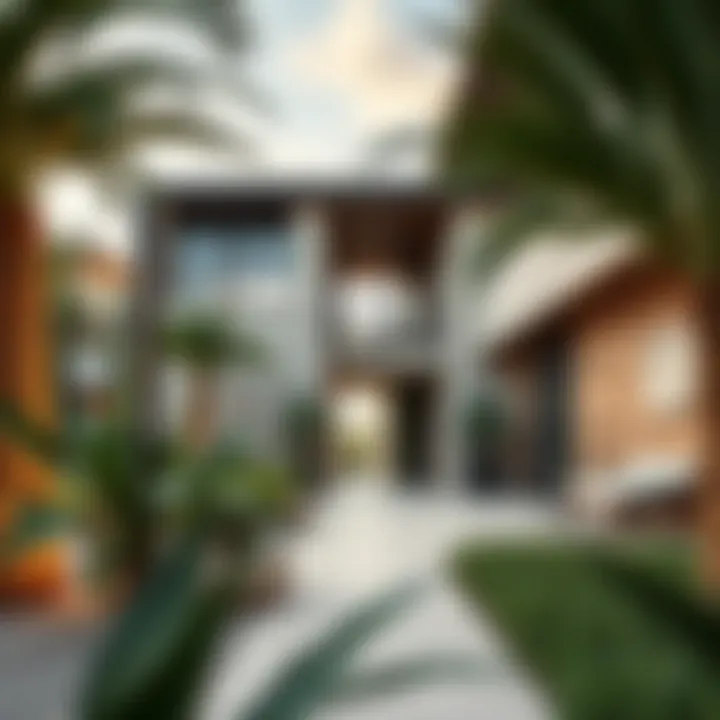
With sustainability taking the center stage in modern architecture, Gulf Gardens reflects a cutting-edge trend that aligns sustainability with luxury living. These properties often showcase several features to minimize environmental impact and promote a healthier lifestyle:
- Energy-Efficient Systems: Solar panels and energy-efficient appliances are standard in many Gulf Gardens developments. These innovations drastically lower utility costs while fostering a commitment to sustainability.
- Water Management: Rainwater harvesting systems and greywater recycling mechanisms are integrated into the design, ensuring that water usage is optimized. This feature is particularly relevant in arid climates like Dubai, where water scarcity is a recurring concern.
- Green Roofs and Walls: Properties often boast green roofs and vertical gardens, which not only enhance insulation and reduce energy consumption but also provide a habitat for local wildlife. This consideration for biodiversity contributes positively to the urban ecology of the area.
"The uniqueness of Gulf Gardens lies in its ability to blend luxury living with conscientious environmental stewardship. It’s a testament to how modern design can honor the natural world while offering upscale amenities."
Gulf Gardens thus represents an architectural shift that resonates particularly well with investors and home buyers seeking not just a property but a sustainable lifestyle. The harmonious co-existence of design elegance and eco-friendly practices makes it an outstanding case in the sector, reflecting a future where living spaces adapt to the needs of both people and the environment.
This architectural approach, deeply rooted in both aesthetics and functional sustainability, positions Gulf Gardens as a leading example of modern residential design in Dubai.
Market Trends: Gulf Gardens in Dubai
Examining the current market trends surrounding Gulf Gardens is akin to holding up a mirror to the evolving landscape of urban living in Dubai. As more buyers express a desire to live in places that seamlessly intertwine nature with their daily lives, understanding the specifics of this trend can provide valuable insights into potential investments.
The significance of market trends in the context of Gulf Gardens lies not only in their influence on residential preferences but also their broader implications for urban development policies and sustainable living practices. With the Dubai real estate market becoming more competitive, discerning investors and home buyers are keenly aware of the unique offerings that Gulf Gardens can provide.
Current Market Analysis
The real estate scene in Dubai has been buzzing, particularly with the emergence of Gulf Gardens. As of now, several key factors are shaping the current market landscape:
- Growing Demand for Green Spaces: There’s been an uptick in interest from home buyers who prioritize living in areas enriched with greenery. Gulf Gardens tick this box beautifully by incorporating lush landscapes into residential units.
- Rise in Property Values: Properties that boast eco-friendly features or are part of integrated garden developments have seen valuation surges. Investors report higher return rates when investing in these kinds of projects, as they attract buyers looking for peaceful communal living.
- Infrastructure Development: Improved transport links and accessibility add to the allure of Gulf Gardens. Projects which are well-connected tend to experience more robust sales, indicating that location remains paramount.
- Diverse Buyer Profiles: An interesting aspect of the Gulf Gardens market is the diversity in prospective buyers. From expatriates seeking long-term residences to investors looking for profitable flips, the demographic spans a wide range.
Future Predictions
Looking ahead, the Gulf Gardens trend appears set to flourish further. Forecasts suggest several compelling developments:
- Enhanced Amenities: As demand grows, developers are likely to enrich their projects with amenities that cater to a health-conscious lifestyle. Think rooftop gardens, walking trails, and even community farms.
- Increased Regulation Support: With governments pushing for greener urban developments, investors might find more favorable regulations. This can include incentives for homeowners who prioritize eco-friendly living.
- Emerging Technologies: The adoption of smart home technologies in Gulf Gardens developments could elevate living standards. Features such as energy-efficient systems and precision agriculture will captivate buyers even more.
- Market Resilience: As global markets experience fluctuations, the niche nature of Gulf Gardens is likely to protect it from broader economic downturns. Sustainability remains a priority for many, making these developments increasingly attractive.
As urban nature thrives with Gulf Gardens, investors would be wise to keep a keen eye on these trends, ensuring they make informed decisions driven by more than just numbers.
In summary, analyzing the market trends of Gulf Gardens in Dubai paints an optimistic picture. Not only are current developments favorable, but the trajectory hints at a flourishing future, compelling stakeholders to remain engaged and forward-thinking.
Investment Opportunities in Gulf Gardens
Investment in Gulf Gardens represents a remarkable opportunity for those looking to capitalize on a merging of sustainability and contemporary living within Dubai’s dynamic real estate environment. With a growing interest in eco-friendly neighborhoods, properties characterized by integrated green spaces are increasingly becoming hot commodities. Prospective investors can leverage several key factors that highlight the potential of Gulf Gardens as a standout investment.
Navigating the Landscape
Understanding the investment landscape of Gulf Gardens involves thorough research into the unique selling propositions that distinguish this property trend from traditional developments. Firstly, the appeal of green spaces is continually increasing among buyers and renters alike, with a surge in demand for environments that offer not just living quarters but lifestyle benefits. This demand is especially acute in urban areas where nature can feel scarce.
Moreover, the strategic location of many Gulf Gardens developments enhances their allure. Being situated in proximity to major transport routes, commercial centers, and leisure facilities boosts their overall investment viability. Additionally, properties that exhibit modern architectural designs while prioritizing sustainable living features are likely to attract higher rental yields over time.
Investors must also consider broader market trends. According to recent reports, communities that have a higher ratio of green spaces are projected to appreciate at quicker rates compared to their counterparts devoid of such elements. This has led many investment funds and individual investors to earmark Gulf Gardens properties specifically, understanding that these investments can lead to excellent long-term financial benefits.
Case Studies of Successful Investments
Examining specific case studies can illuminate the practical benefits of investing in Gulf Gardens. For instance, one remarkable project that stands out is the Sands of Time development located in Dubai's Jumeirah Village Circle. This project encompasses several residential units designed to blend modern living with nature, boasting features like rooftop gardens and lush communal spaces. Investors who entered the market at the onset of development witnessed significant appreciation as demand surged—highlighting the smart bet on eco-friendly complexes.
Another notable mention is the Green Oasis Heights landmark, renowned for its innovative approach combining luxury with sustainability. It not only exemplifies architectural finesse but also emphasizes water conservation and renewable energy use. Investors who purchased units there have reported rental incomes surpassing projected estimates, driven largely by eco-conscious tenants seeking modern living without sacrificing ecological responsibility.
"Investing in Gulf Gardens is not just a financial decision; it’s a lifestyle choice that embraces sustainability, innovation, and community living."
In summation, Gulf Gardens is more than a trendy property option; it symbolizes a growing market that caters to environmentally aware consumers. By understanding the nuances of this space and observing the success stories emerging from it, investors can make informed decisions that align both with their financial goals and the overarching trend toward sustainable living.
Lifestyle Considerations in Gulf Gardens
In today's world, where urban living often comes at the expense of personal well-being and nature, Gulf Gardens offers a refreshing perspective. The emphasis on lifestyle goes beyond mere aesthetics; it reflects a growing awareness of the importance of incorporating green spaces into everyday living. These developments are not just buildings; they are communities designed to promote a healthy and connected way of life. For investors, home buyers, and property managers alike, understanding these lifestyle considerations is essential as they represent both immediate and long-term value.
Community Features
One of the most distinctive aspects of Gulf Gardens is its community-focused design. These properties often feature communal areas that foster interactions among residents. Parks with winding pathways, community gardens, and playgrounds are common sights. They not only enhance the visual appeal of the area but also serve as venues for social gatherings.
- Integration of Green Spaces: Each property typically integrates gardens and parks, providing residents with a sense of tranquility and a place to unwind. These areas are perfect for picnics or leisurely strolls, allowing families to connect with nature without leaving their immediate surroundings.
- Social Events and Activities: Many Gulf Gardens developments organize community events. Farmers' markets, movie nights under the stars, or yoga sessions in parks strengthen neighborly bonds. Such activities contribute to a vibrant atmosphere that encourages community spirit.
"In Gulf Gardens, neighbors become friends through shared experiences in well-designed, green environments."
Health and Well-being Aspects
When it comes to health and well-being, Gulf Gardens takes a proactive approach. The emphasis on incorporating nature into the living environment has proven benefits for mental and physical health. In a place like Dubai, where the urban environment can be quite intense, these developments provide a necessary balance.
- Access to Fresh Air: The abundance of greenery in Gulf Gardens improves air quality. Trees and plants naturally filter pollutants, creating a more breathable atmosphere. Short walks or jogs through lush spaces enhance lung health and boost overall fitness levels.
- Active Lifestyle Encouragement: With dedicated cycling paths and jogging trails, residents are encouraged to lead an active lifestyle. This not only fosters physical well-being but also nurtures mental clarity and reduces stress levels.
- Mental Health Benefits of Nature: Numerous studies highlight the psychological advantages of natural spaces. Access to parks reduces anxiety and promotes happiness, which is a crucial consideration for prospective buyers.
- Wellness Amenities: Many Gulf Gardens include wellness facilities such as gyms equipped with modern exercise equipment and spaces for meditation—encouraging a holistic approach to health. Additionally, wellness workshops and classes can further enhance the lifestyle experience.
In summary, the lifestyle considerations in Gulf Gardens go hand-in-hand with the broader vision of a sustainable living environment. By fostering community connections and promoting health and well-being, these developments attract discerning buyers who value quality of life alongside their investment.


Environmental Impact of Gulf Gardens
The Environmental Impact of Gulf Gardens is paramount to understanding their value and significance in today's property landscape, particularly in a bustling metropolis like Dubai. As urban development progresses, the necessity to incorporate nature into residential areas becomes more critical. Gulf Gardens not only provide a refreshing respite from the concrete backdrop of the city but actively contribute to environmental sustainability and ecological balance.
One can argue that these gardens represent a paradigm shift in how we envision living spaces. Instead of merely being a location for luxury residences, they symbolize a commitment towards fostering biodiversity and enhancing urban environments. In the following sections, we will unpack the specific elements of biodiversity enhancement and eco-friendly practices associated with Gulf Gardens.
Biodiversity Enhancement
Biodiversity sits at the heart of environmental health, serving as a foundation for ecosystem resilience. In Gulf Gardens, native plants play a crucial role in preserving local flora and fauna, creating habitats that support various species. These plants, well-adapted to the local environment, not only thrive with less water but also attract pollinators like bees and butterflies, which are essential for food production.
The integration of native landscaping can lead to an increase in local wildlife, contributing significantly to the overall environmental balance. Protecting these ecosystems ensures that future generations can enjoy the rich biodiversity Dubai has to offer.
Some notable practices found in Gulf Gardens include:
- Creating green corridors that connect different garden spaces, allowing species to migrate and thrive across urban areas.
- Planting diverse species that mimic natural ecosystems, providing food and shelter for wildlife.
- Utilizing rain gardens to manage stormwater runoff, further enriching the soil and supporting plant life.
Such initiatives not only foster biodiversity but also enhance the aesthetic appeal of these properties, making them more attractive to investors who seek environmentally conscious living spaces.
Eco-Friendly Practices
The commitment to eco-friendly practices in Gulf Gardens extends beyond mere aesthetics; it’s about building a sustainable future. Property developers are increasingly incorporating green building practices aimed at minimizing environmental impact during construction and throughout the property’s life cycle.
Several key practices include:
- Solar energy integration: Utilizing solar panels to harness renewable energy, thus reducing reliance on fossil fuels.
- Water conservation techniques such as drip irrigation and smart water management systems that ensure efficient usage of resources.
- Sustainable materials: Many new properties are constructed with recycled or sustainably sourced materials, diminishing the carbon footprint of the building process.
Each of these practices contributes to a more sustainable lifestyle for residents, appealing to eco-conscious buyers looking to reduce their impact on the planet. The growing awareness of climate change and environmental issues makes these features not just desirable, but essential in current and future property investments.
In summation, Gulf Gardens are more than just a trend; they represent an urgent call to balance urban living with nature, ensuring a healthier environment for all. As property buyers and investors begin to recognize the value offered by these features, the Gulf Gardens trend is positioned to make a lasting impact on Dubai's real estate landscape.
Challenges Facing Gulf Gardens Development
The development of Gulf Gardens in Dubai brings with it several challenges that can impact its success and sustainability. Understanding these challenges is essential for investors, property managers, and home buyers alike. Addressing these hurdles not only helps in creating a viable project but also ensures that the essence of Gulf Gardens—its blend of green living within urban confines—remains intact. From regulatory hurdles to market resistance, each aspect plays a crucial role in shaping the future of these unique residential developments.
Regulatory Hurdles
Regulatory hurdles can pose significant challenges for the Gulf Gardens projects. In Dubai, property development is tightly regulated, with numerous approvals needed before construction can begin. Regulations regarding land use, zoning, and environmental impact assessments can be quite complex.
- Land Use Restrictions: Local authorities may impose restrictions on how land can be developed, which may limit how much green space can be incorporated.
- Building Codes: Compliance with specific building codes can increase costs and delay timelines, as developers must ensure structures adhere to safety and design standards.
- Environmental Regulations: Projects must demonstrate minimal impact on local ecosystems, which requires thorough assessments and, often, modifications to original plans.
These hurdles can make or break a project. As such, developers need to engage with regulatory bodies early in the planning process to identify potential issues and ensure all required permits are secured.
Market Resistance
Market resistance is another challenge that can hamper the growth of Gulf Gardens. While the notion of integrating lush greenery with residential units appeals to many, not all segments of the market may be fully on board.
- Perception vs. Reality: Potential buyers often have preconceived notions about living in a garden community, which may affect their willingness to invest. Many may worry about maintenance costs or the added responsibilities that come with living near extensive green spaces.
- Economic Factors: In times of economic downturn, buyers may prioritize affordability over eco-friendly initiatives, favoring more traditional developments that promise lower prices.
- Competition with Traditional Developments: Established areas with traditional developments may still dominate market shares due to familiarity and perceived value. Thus, Gulf Gardens must strategically position itself to attract discerning buyers who value sustainable living.
By understanding and addressing these challenges, stakeholders in the Gulf Gardens development can develop strategies to navigate the complexities associated with the property market in Dubai. This will ultimately benefit potential investors and residents by fostering an environment that balances urban life with nature's tranquility.
Gulf Gardens and Urban Planning
Gulf Gardens represent a pivotal trend in the evolution of urban spaces in Dubai. As urban planning increasingly emphasizes the integration of nature within residential settings, Gulf Gardens serve as a model for harmonizing green spaces with urban development. This trend not only enhances the aesthetic value of properties but also contributes to the environmental sustainability of the area. With the city's rapid growth, it becomes essential to analyze how Gulf Gardens fit into existing planning frameworks and how they can shape future urban landscapes.
Integration into Existing Infrastructure
Integrating Gulf Gardens into the existing urban fabric poses both challenges and opportunities. The successful incorporation of these verdant spaces relies heavily on how well they mesh with current infrastructure.
- Transportation Networks: By designing pathways that connect the gardens with public transport, residents can enjoy convenient access to the city’s broader infrastructure. For instance, bike lanes and pedestrian paths can provide eco-friendly commuting options.
- Utilities and Services: Proper planning is essential to ensure that utilities such as water, electricity, and waste management do not disrupt the natural beauty of the gardens. Mapping out these essentials during the initial phases helps avoid costly renovations and preserves the integrity of the green spaces.
- Zoning Regulations: Adhering to zoning laws is a significant part of the integration. Urban planners need to work closely with local authorities to establish permissible locations for Gulf Gardens, ensuring they coexist with residential and commercial zones effectively.
"Integrating green elements into urban planning is no longer just a trend, it has become a necessity for creating livable cities."
Future Urban Initiatives
Looking ahead, the future of urban planning in Dubai could significantly benefit from the lessons learned from Gulf Gardens. As the city continues to expand, future initiatives may include:
- Vertical Gardens: These not only save space but also enhance air quality. Buildings can incorporate plants into their facades, promoting biodiversity while utilizing limited land.
- Smart Gardens: Leveraging technology, smart gardening systems can provide real-time data on soil condition, watering needs, and maintenance requirements. This innovation could optimize plant care and sustainability efforts.
- Community-Focused Spaces: Planning for community gardens where residents can engage and participate in growing plants could foster a sense of belonging and responsibility toward the environment.
- Collaborative Development Programs: Public-private partnerships can finance the development of Gulf Gardens. Working together, the government and private developers can establish funding opportunities to maintain these spaces for community benefit.
Addressing urban challenges through the lens of Gulf Gardens can lead not just to better living conditions but also a thriving community ecosystem. As investors and homeowners contemplate the long-term viability of such projects, the blend of urban planning and environmental consciousness offers a roadmap toward sustainable living.
Comparative Analysis: Gulf Gardens vs. Traditional Developments


Understanding the nuances of Gulf Gardens when juxtaposed with traditional developments is paramount, especially for those keen on making savvy investments in Dubai's evolving property landscape. The rise of Gulf Gardens illustrates a shift toward sustainable living, where green spaces are weaved into the very fabric of residential environments. This contextual exploration serves to highlight not just aesthetic differences but also practical implications for residents and investors alike.
Key Differences
Comparing Gulf Gardens to more conventional developments reveals several striking differences that stand to impact lifestyle, community, and convenience.
- Integration of Nature: Gulf Gardens prioritize lush greenery, incorporating extensive gardens and landscaping into their designs. In contrast, traditional developments might often favor concrete and steel, sidelining outdoor spaces.
- Community-Centric Layout: In a Gulf Gardens project, you might find communal areas designed for outdoor gatherings surrounded by trees and flower beds, fostering a sense of togetherness. On the flip side, traditional developments typically focus on individual units, with less emphasis on creating communal experiences.
- Sustainability Features: Eco-friendly technology, such as solar panels and rainwater harvesting systems, often takes center stage in Gulf Gardens. Traditional developments may not prioritize these features as aggressively, potentially leading to higher long-term costs for residents concerning energy and resources.
- Zoning Regulations: Gulf Gardens often navigate more stringent environmental regulations compared to traditional developments, reflecting a growing awareness of the importance of greenery in urban planning.
These distinctions are not merely superficial; they create real implications for quality of life and investment value in the long term.
Buyer Preferences
When it comes to buyer trends, the preferences for Gulf Gardens versus traditional developments paint a clear picture of shifting priorities. More buyers are gravitating toward properties offering outdoor spaces and sustainable practices. While earlier generations might have been more concerned with size or proximity to city centers, there’s an emerging appetite for holistic living experiences that prioritize well-being.
Several factors shape this evolving preference:
- Health and Wellness: Buyers are increasingly aware of the health benefits associated with green spaces. Being surrounded by nature is said to reduce stress and improve mental health, making Gulf Gardens appealing to those who prioritize wellness.
- Unique Investment Opportunities: Investors are recognizing the growing demand for properties that stand out. Unique features in Gulf Gardens, like community gardens or provisions for urban farming, can bring added value compared to cookie-cutter traditional options.
- Social Responsibility: Today's home buyers often consider the environmental impact of their purchases. The integration of green features may enhance the appeal of Gulf Gardens and align with the values of eco-conscious buyers.
In sum, as buyers shift their focus from traditional metrics to values reflective of modern living, Gulf Gardens provide a compelling option that not only meets but exceeds those expectations.
"In Dubai's competitive property market, it’s the unique blend of luxury and sustainability that appeals most to today’s discerning buyer."
Exploring these aspects helps to clarify why Gulf Gardens represent not just a trend, but a potential new standard in urban dwelling.
Expert Opinions on Gulf Gardens
Understanding the perspectives of experts in the field is crucial when examining the Gulf Gardens trend in Dubai. Their insights not only help to illuminate the potential of these developments but also guide potential investors and home buyers. Architects and real estate analysts are among those who can shed light on why Gulf Gardens are becoming an increasingly vital part of Dubai’s real estate landscape. Their analysis encompasses various aspects, such as design philosophies, sustainability trends, and investment viability.
Interviews with Architects
Delving into the minds of architects who have actively worked on Gulf Gardens projects reveals fascinating insights. Many architects emphasize the importance of green spaces as more than just aesthetic enhancements; they are viewed as essential components that contribute to the quality of life in urban environments. For instance, an architect might explain how they integrate natural elements into their designs, enhancing not only the visual appeal but also the psychological well-being of the residents. They often discuss the significance of designing spaces that encourage outdoor activities, fostering a sense of community among residents.
"Incorporating gardens into residential designs couldn’t be more timely. It’s about creating a retreat amidst the urban hustle," says a prominent Dubai architect.
Some of the notable features that emerge from their interviews include:
- Utilization of Natural Light: Architects discuss how they optimize sunlight in designs to reduce reliance on artificial lights and promote energy efficiency.
- Water Management Systems: The implementation of innovative irrigation systems that conserve water yet nourish landscaped areas is a common theme.
- Flexible Spaces: Architects target multifunctional areas that can easily adapt to the needs of residents, maximizing utility in often limited urban settings.
These expert opinions highlight a vision where the design is not only about beauty but also harmony with the environment, promoting a lifestyle that acknowledges sustainability as a core tenet.
Insights from Real Estate Analysts
Real estate analysts bring a different dimension to the table when discussing Gulf Gardens. They assess market trends and buyer behavior, offering relevant data that can inform investment decisions. Analysts focus on key indicators such as demand for green living, affordability, and buyer preferences. They often point to recent studies that show a rising trend in buyer preferences for properties with integrated greenery and communal spaces.
Some of the insights gathered from analysts include:
- Investment Returns: Analysts contend that properties in Gulf Gardens are likely to appreciate in value due to the increasing demand for sustainable living options, positioning them as strong assets for investors.
- Demographic Shifts: The influx of younger buyers, especially millennials, who prioritize eco-friendly living and community engagement, is reshaping the market landscape.
- Future Trends: There’s speculation that the UAE’s government initiatives towards environmental sustainability will further boost investments in such developments.
Analysts often highlight that Gulf Gardens not only fulfill the need for housing but also align with global trends toward sustainability, making them a forward-thinking choice for investors and homebuyers.
In summary, the voices of architects and real estate analysts provide a layered understanding of Gulf Gardens, revealing that these developments are not merely about real estate; they represent a broader aspiration for enhanced living environments, community connections, and environmental stewardship.
Concluding Thoughts on Gulf Gardens
The topics of Gulf Gardens present an intriguing insight into the evolving real estate market of Dubai. These developments are not just a trend; they encapsulate a broader movement towards sustainable living while being simultaneously luxurious and functional. To truly grasp their significance, one needs to consider several specific elements.
First off, the future outlook of Gulf Gardens seems quite promising. As more individuals and families are seeking greener lifestyles, properties that offer such substantial green space are likely to increase in demand. Just as people have flocked towards properties with scenic views in the past, why shouldn't they gravitate towards residential spaces surrounded by greenery? With an increasing number of local and international buyers recognizing the health and environmental benefits of living in these natural settings, market forecasts can only be bright.
Additionally, we can’t overlook the recommendations for investors in this niche market. Given the global shift towards sustainability, investing in Gulf Gardens could very well be a strategic decision for those looking to diversify their portfolios. Properties with these integrated gardens generally sustain their value better than traditional developments. Moreover, urban planning angles show that many local governments are pushing for sustainable neighborhoods, lending institutional support to Gulf Gardens.
In closing, the lessons learned from Gulf Gardens extend beyond investing only. They shed light on a market shift towards a more environmentally-responsible way of living.
"Sustainable living isn’t just necessary; it's becoming a prerequisite for buyers in the modern market."
If you’re considering investing in properties, understanding this trend is fundamental. Observing how Gulf Gardens blend seamless living with nature may just point the way for future residential developments. The combination of lifestyle enhancement, ecological responsibility, and economic opportunity makes this topic not only timely but essential for anyone keeping an eye on the Dubai property landscape. Whether you're a home buyer, property manager, or investor, adapting your approach to encompass these factors will serve you well in the coming years.
The Future Outlook
As we look ahead, Gulf Gardens represent a synthesis of residential and recreational living, creating spaces where nature and modernity coexist. Sustainable urban designs will likely continue to grow, influenced by factors such as climate change and an increasing desire for healthier living environments. The rise of smart technologies tailored to improve efficiency and reduce energy consumption will probably find their home in these developments. This promotes not only a more pleasant experience for residents but also a smaller ecological footprint.
Meanwhile, the real estate landscape in Dubai is rapidly evolving. With a clear trend of buyers prioritizing green spaces, properties featuring Gulf Gardens are expected to attract premium rates.
In this context, planners, investors, and buyers alike must stay disciplined and mindful of these emerging patterns. Opportunities abound for those willing to adapt swiftly and embrace the implications of sustainable living.
Final Recommendations for Investors
Investing in Gulf Gardens can be a at the forefront of sustainable development, but it calls for informed decision-making. Here are a few suggestions:
- Conduct thorough market research: Stay updated on the nuances of the changing real estate atmosphere in Dubai.
- Network with industry experts: Discussions with architects and real estate analysts can offer valuable insights about upcoming trends.
- Consider long-term benefits: Emphasis on sustainability may mean short-term costs, but the long-term returns on investment in Gulf Gardens could be substantial.
- Evaluate the community ethos: Look beyond the property itself to understand the community standing and the overall environment. Communities that prioritize sustainable practices tend to yield better returns over time.