
Discover Al Fahidi: Dubai's Historic Neighborhood
Intro
Al Fahidi, known as Al Bastakiya in earlier times, stands as a testament to Dubai’s journey through time. With its wind-tower architecture and labyrinthine pathways, this historic neighborhood offers a window into the emirate’s past. It’s not just a place to wander; it’s a vibrant tapestry of culture and heritage. With increasing interest from investors and homebuyers alike, Al Fahidi presents a unique blend of history and contemporary potential.
This article will dissect various elements that make Al Fahidi a noteworthy topic of discussion. From the rich history embedded in its narrow streets to the current market trends, we will provide an in-depth look at why this neighborhood is gaining traction among real estate enthusiasts. As we explore its architectural styles, cultural relevance, and the opportunities therein, our readers will gain a comprehensive understanding of Al Fahidi's place in Dubai’s real estate landscape.
Buckle up as we journey through the colorful history and budding prospects of Al Fahidi.
Historical Context of Al Fahidi
The importance of understanding the historical context of Al Fahidi cannot be understated. This area, rich in heritage, serves as a window into Dubai's past, providing insights into how the emirate has evolved from a small fishing village into a bustling metropolis. Al Fahidi is not just a location; it's a symbol of resilience, cultural amalgamation, and enduring traditions. By delving into its history, one uncovers the layers of development that have shaped not only Al Fahidi but also the broader narrative of Dubai.
Early Beginnings
Al Fahidi's early days can be traced back to the late 19th century. It was here where the first inhabitants established their homes, living harmoniously with the surrounding landscape. The architecture of these initial structures was simple, yet functional, made from coral stone and palm fronds that have since become characteristic of Emirati design. This was a time when trade was in its infancy and the reliance on maritime routes dominated daily life.
By focusing on these humble beginnings, it’s crucial to appreciate the relationship between the local people and their environment. The early settlers of Al Fahidi adapted to their surroundings, crafting their way of life with both ingenuity and thrift. For instance, many homes were built around communal spaces, reflecting a strong sense of community.
Influence of Trade Routes
As trade routes flourished in the Arabian Peninsula, Al Fahidi became a crucial stop for merchants. The area emerged as a hub for the exchange of goods between diverse cultures. The proximity to Dubai Creek enabled vessels from distant lands to bring spices, textiles, and jewelry, which enhanced the local economy and fostered a mix of traditions and practices.
In this context, the influence of trade cannot be overlooked. It shaped not just the commerce of Al Fahidi but also the cultural landscape. The introduction of new ideas and customs led to a rich tapestry of Emirati society, which became increasingly diverse. This cross-pollination of cultures laid the groundwork for future generations, allowing them to build on a foundation of inclusivity and mutual respect.
Transformation through Time
The transformation of Al Fahidi reflects the larger changes occurring in Dubai and the UAE. From its origins as a modest settlement, it underwent significant alterations throughout the 20th century. Following the discovery of oil, Al Fahidi saw an influx of investment and development, which led to the restoration of its historic structures and the repurposing of old warehouses into art galleries and cafes.
This transformation is essential to understand for property managers and investors. The ongoing efforts to preserve the cultural heritage while adapting to modern needs showcase the district's unique potential. Not only does Al Fahidi remain a beacon of history, but it is also a testament to how old and new coexist, creating a valuable ecosystem for future growth.
"The historical context of Al Fahidi illustrates a narrative of continuity and change that resonates deeply within Dubai’s transformation."
Understanding this evolution not only augments appreciation for the area but also highlights the investment opportunities that arise combined with a respect for heritage. As both investors and home buyers look at properties in Al Fahidi, they should consider how the district’s past informs its present and future.
Architectural Features of Al Fahidi
The architectural features of Al Fahidi tell a compelling story of a place where the past and present coexist harmoniously. Delving into its intricate design, one finds that these structures aren’t just buildings; they are embodiments of a rich culture and a lifestyle that has evolved but remains tethered to its roots.
Wind Towers and Traditional Structures
Wind towers, or barjeels, are perhaps the most striking characteristic of Al Fahidi’s skyline. Designed to harness the cool breezes that sweep through this desert town, these towers serve as a natural air conditioning system. In a region where temperatures often soar, their significance cannot be overstated.
The traditional structures of Al Fahidi are typically built from coral stone or mud, materials that not only reflect the local geographical features but also promote thermal insulation. The walls are thick, and the architecture focuses on ventilation, creating a cool environment especially during the sweltering summer months. Each wind tower can be seen battling the Dubai heat, proudly offering a reprieve to its dwellers while standing as a testament to innovative design that marries functionality with beauty.
“The barjeel captures the essence of Arabian ingenuity, providing comfort without electricity long before modernity changed the landscape.”
Residents often reminisce about the summers spent beneath the soothing draft of these structures, evoking a sense of nostalgia that underscores their significance not only as architectural features but also as cultural symbols.
Artistic Influences in Design
The aesthetics of Al Fahidi’s architecture are heavily influenced by Islamic artistic traditions, showcasing stunning geometric patterns and intricate tile work. This artistic flair reflects the city’s deep ties to Islamic culture and heritage, inviting not just residents but also tourists to engage with a visual feast. The designs often incorporate motifs that tell stories, whether they stem from local folklore or Islamic teachings.
Moreover, the contrast of serene, muted colors with vibrant mosaics exemplifies a unique perspective on beauty, often celebrated in traditional Emirati craftsmanship. This marriage of art with architecture fosters an environment where history isn't just remembered; it is experienced actively.
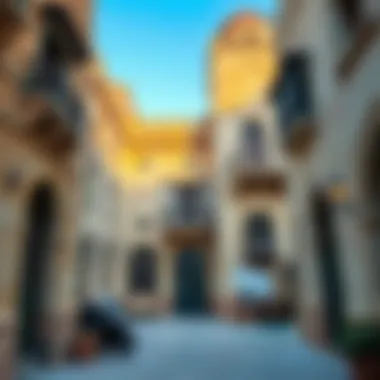

Artistic influences have led to a blend of styles, uniting Arabic, Persian, and Hindustani elements into a cohesive aesthetic that is uniquely Al Fahidi. Such design elements serve as a draw for both investors and history enthusiasts who appreciate sites where art and functionality unite beautifully.
Cultural Preservation through Architecture
Al Fahidi is more than just a collection of buildings; it acts as a museum of sorts, preserving the cultural heritage of Dubai. The various initiatives aimed at restoring and maintaining these architectural features illustrate how society sees the significance of its past. In an age where rapid development could easily overshadow history, Al Fahidi stands firm, reminding its inhabitants of their identity.
Restoration projects often focus on maintaining authentic materials and techniques, ensuring that each renovated building retains its historical integrity. The architectural preservation acts as a living history book, allowing new generations to connect with the values and traditions that have shaped their community.
Investors looking to engage with Al Fahidi are typically drawn to these preservation efforts as they signal a commitment to cultural heritage that enhances property value. The idea that one can own a piece of historical architecture while contributing to its preservation is an appealing proposition, especially in a city as dynamic as Dubai.
In summary, the architectural features of Al Fahidi not only provide insight into historical living conditions but also serve as an ongoing testament to the cultural identity of the Emirati people. The blend of functionality, art, and preservation illustrates the importance of this neighborhood as civic pride continues to grow amidst Dubai's modernization.
Cultural Significance of Al Fahidi
The cultural significance of Al Fahidi lies deeply embedded within its streets and structures, which serve as a mirror reflecting the historical tapestry of the Emirati people. Often overlooked by those enamored with the glimmering skyscrapers of modern Dubai, Al Fahidi provides a compelling counter-narrative that speaks to the soul of the region. Understanding this significance is essential for investors and homebuyers alike, who seek not just a property but a connection to a rich heritage and community spirit.
Role in Emirati Heritage
Al Fahidi represents more than just a collection of buildings; it is a vital repository of Emirati heritage and a symbol of resilience. The neighborhood’s winding alleys and mud-brick houses, many of which date back to the 19th century, showcase traditional Emirati architecture and offer a glimpse of life before the oil boom changed everything.
Local artisans participate in workshops where they practice time-honored crafts such as weaving, pottery, and calligraphy. This preservation of traditional skills ensures that the cultural practices of the Emirati people are passed down through generations. Visitors often find themselves immersed in cultural storytelling, with tales told in local cafes, echoing through the walls of historic structures that have seen the ebb and flow of time.
"Al Fahidi is where the past whispers its secrets through every breeze that flows between its walls."
Cultural Institutions and Initiatives
The true heart of Al Fahidi is amplified by its cultural institutions, such as the Sheikh Mohammed Centre for Cultural Understanding. Here, various initiatives aim not only to educate foreigners about Emirati traditions but also to create an environment that promotes cross-cultural dialogue. Programs include guided tours, traditional meals, and lectures. These efforts reflect a commitment to fostering understanding and respect among different communities.
Furthermore, the area is home to galleries and museums, like the Dubai Museum, which enhance its role as a cultural hub. These institutions are key for investors to understand as they amplify the potential for tourism and community engagement, providing a steady stream of visitors that boosts local businesses and investments.
Festivals and Community Events
Al Fahidi comes alive during various cultural festivals and community events, which are a cornerstone of its identity. Events such as the Dubai Shopping Festival and Al Fahidi’s own heritage celebrations invite people from every walk of life to experience the vibrancy of Emirati culture. Local markets are filled with artisans selling handmade goods, showcasing the area’s craftsmanship.
Residents engage in activities that promote community bonding—from traditional music performances to workshops teaching embroidery and calligraphy. Such events attract significant attention, further establishing Al Fahidi as a must-see destination. This lively participation enhances the area's community spirit, making it an attractive locale for potential homeowners and real estate investors looking to tap into a culturally-rich atmosphere.
For further reading on Emirati culture and the significance of heritage sites in Dubai, visit Wikipedia.
Al Fahidi in the Modern Era
The evolution of Al Fahidi in today’s setting offers a glance at how tradition can coexist alongside rapid modernization. Positioned at the dawn of contemporary Dubai, Al Fahidi’s charm has not eroded but has rather adapted to the currents of urban growth. This section provides an essential overview of how this historic neighborhood is faring amid ongoing transformations, addressing integration with urban development, economic opportunities, and the real estate landscape.
Integration with Dubai's Urban Development
Al Fahidi has not been immune to the sweeping changes gripping Dubai. Its narrow streets and traditional wind towers stand in stark contrast to the gleaming skyscrapers that dot the skyline. Still, this historic district is finding its footing within the city’s broader urban framework. The local government aims to preserve the cultural essence of Al Fahidi whilst ensuring it contributes to the city's growth and vitality.
New infrastructure developments are sprouting up around the area, including improved public transport facilities that enhance accessibility. Travelers can now easily hop on a metro or bus to explore this gem amid Dubai’s bustling life. Access to modern amenities, while keeping its heritage intact, is paramount.
Economic Impacts and Opportunities
The economic landscape of Al Fahidi is gradually shifting. As the area is attracting tourism due to its traditional feel, local businesses are thriving. Cafes, art galleries, and souvenir shops have made the district a hotspot for visitors keen to experience authentic Emirati culture.
Investment in tourism infrastructure has injected fresh capital into Al Fahidi, creating jobs and boosting the local economy. Businesses that capitalize on the neighborhood's history, offering cultural tours or workshops on traditional crafts, are particularly lucrative.

Investors are also eyeing the area, seeing potential in revitalizing old buildings into boutique hotels or cultural centers.
Real Estate Trends in Al Fahidi
The real estate market in Al Fahidi is witnessing unique trends, harmonizing the old with the new. Property values are experiencing a measured increase, fueled by the neighborhood’s growing desirability. Many see it as an opportunity for homebuyers and investors alike.
Two visible trends are reshaping the market:
- Adaptive Reuse: Many old buildings are being renovated and repurposed, allowing buyers to acquire unique living spaces with historical significance. This blend of ancient architecture and modern amenities attracts discerning buyers.
- Cultural and Community Initiatives: Various projects have been undertaken to transform Al Fahidi into a thriving community hub without losing its authentic charm. The engagement of residents in cultural events ensures ongoing interest in the area, sparking demand for homes and retail spaces.
Lifestyle and Living in Al Fahidi
The lifestyle and living environment in Al Fahidi offers a distinctive experience that reflects the rich tapestry of Dubai's past while seamlessly integrating contemporary living. With its maze of narrow lanes and traditional architecture, Al Fahidi stands as a counterpoint to the city's towering skyscrapers. This aspect attracts investors, home buyers, and those looking to immerse themselves in a cultural haven.
Amenities and Accessibility
Living in Al Fahidi means embracing a lifestyle enriched by the myriad of amenities available. The neighborhood offers essential services, including supermarkets, healthcare facilities, and schools. More than just basic conveniences, these amenities foster a sense of community. For seeking local delicacies, visitors can wander down to cafes serving authentic Arabic coffee and street food stalls that boast mouth-watering shawarma or falafel.
Accessibility is another crown jewel of Al Fahidi's lifestyle. The neighborhood has well-connected public transport options, including the Dubai Metro and local bus routes, making it easy to navigate both within the area and to other parts of Dubai. For those who prefer to drive, the roads leading in and out are well-maintained, although busy during peak hours. Additionally, being a stone's throw from Dubai Creek means easy access to water taxis, allowing for a scenic and historical route through the city.
Community Dynamics and Demographics
The community dynamics in Al Fahidi are both diverse and vibrant. The demographic makeup consists of Emiratis, expatriates, artists, and students, creating a melting pot of cultures and experiences. This diversity translates into community events and social gatherings where traditions are shared, fostering a unique bond among residents.
"Living in a historical neighborhood like Al Fahidi offers not just a roof over your head but a connection to a lived history."
For investors and home buyers, the sense of a close-knit community is vital. Many families have lived in Al Fahidi for generations, valuing the area’s heritage while welcoming newcomers. Properties here often come with stories, steeped in history, providing a warm and inviting atmosphere that feels like home from day one.
Experience and Atmosphere
Experience and atmosphere in Al Fahidi evoke a sense of nostalgia blended with modernity. Walking through the lanes, one can hear the echo of children playing, artists sketching, and locals conversing over cups of tea. The soundscape contributes to a lively yet relaxed ambiance that is rare in the fast-paced life of Dubai.
The architectural features, with their towering wind towers and intricately designed facades, provide not just aesthetic pleasure but a living museum that tells stories of a bygone era. Street art and cultural exhibitions breathe life into the hustling neighborhood, contributing to a continuous dialogue about heritage and contemporary society.
In summary, Al Fahidi is more than just a place to live; it is an immersive experience that combines cultural depth with modern conveniences. For investors and home buyers, understanding the unique lifestyle here is crucial in recognizing the potential this historic gem holds.
Investment Potential in Al Fahidi
Exploring the investment potential in Al Fahidi reveals a world rich with opportunities. This area isn’t just about history and charm; it offers investors a genuine chance to tap into the evolving landscape of Dubai’s real estate market. Known for its traditional architecture and vibrant community, Al Fahidi stands out as a potential hotspot for various kinds of real estate investments, whether for residential, commercial, or cultural purposes. Investors can benefit from a unique mix of cultural authenticity and modern urbanization, making it a compelling place to consider.
Key highlights of investing in Al Fahidi include:
- Cultural Heritage: The neighborhood is a prime location for those interested in heritage tourism or cultural initiatives. This can lead to opportunities in hospitality and arts.
- Urban Development: As Dubai continues to grow, Al Fahidi's revitalization efforts support sustainable urban living while retaining its historical essence.
- Local Demand: With an increase in interest from both expatriates and locals, properties here offer a solid rental return.
This blend of tradition and modernity is what makes Al Fahidi an intriguing yet underrated investment locale that demands further exploration.
Market Analysis and Projections
Al Fahidi's market analysis shows a steady growth trend in its real estate sector. Recent studies have displayed an upward trajectory with respect to property prices and rentals since the area has gained renewed interest due to ongoing urban planning and community initiatives. The government’s focus on cultural preservation and sustainable developments is likely to enhance property values further.
Projections suggest that:
- Vie for prime locations in Al Fahidi will result in increased property valuations.
- With more wellness and eco-conscious initiatives on the rise, properties aligned with these trends are expected to see significant demand.

Case Studies of Successful Investments
Several case studies within Al Fahidi exemplify the potential returns for investors. One notable example involves the renovation of a traditional wind tower home into a boutique hotel. The project not only preserved the architectural significance but attracted tourists looking for a unique experience in Dubai. This investment enjoyed high occupancy rates, affirming the viability of combining authentic cultural elements with modern hospitality.
Another compelling case involves a local art initiative that turned an old courtyard into a vibrant gallery space, creating a cultural hub. This investment not only enhanced property values in the surrounding area but also garnered attention from art enthusiasts and tourists, adding to its success. Such stories illustrate the unique intersection of culture and returns in Al Fahidi.
Navigating Challenges and Risks
While the investment potential in Al Fahidi is evident, it's also crucial to navigate the inherent risks associated with the territory. One could find that older properties might require significant renovation, which can create unexpected costs and timelines.
Furthermore, regulatory aspects are another area worth noting. Investors must familiarize themselves with local laws regarding property transactions, renovation permits, and heritage conservation. Failing to do so could lead to fines or setbacks.
To mitigate these risks:
- Conduct thorough due diligence on property conditions and local regulations.
- Engage with real estate experts familiar with Dubai’s evolving landscape.
- Stay informed on upcoming urban plans that may affect property values.
Investing in Al Fahidi is an enticing prospect but better prepared one is, the bigger the rewards can be.
Future of Al Fahidi
As we look ahead, the importance of Al Fahidi in Dubai's urban landscape becomes increasingly evident. Situated at a crossroads of tradition and modernity, Al Fahidi offers a unique opportunity for both investors and residents. The area's rich history and distinct cultural identity provide a compelling backdrop for sustainable development and community-oriented initiatives that can benefit all stakeholders.
Urban Development Plans
The urban development plans for Al Fahidi focus on integrating modern infrastructure while preserving the neighborhood's historical charm. Future initiatives are geared toward revitalizing public spaces, enhancing pedestrian pathways, and introducing smart urban solutions that respect architectural aesthetics. A notable example is the proposal for new parks and green areas, which would provide residents with recreational spaces, thereby encouraging a balanced lifestyle.
In distinctly local terms, it's like putting a sprout where a palm tree used to stand, blending the old roots with fresh growth. The development is not merely about buildings; it's about creating an environment where community life flourishes, and the spirit of Al Fahidi resonates with both residents and visitors alike.
Sustainability Initiatives
With growing global awareness of environmental issues, sustainability initiatives in Al Fahidi are set to become a cornerstone of future development. Plans are underway to incorporate energy-efficient systems within buildings, advocate for waste reduction practices, and promote the use of renewable energy sources.
Furthermore, the development proposal includes green roofs and community gardens, which can nurture local biodiversity while engaging residents in environmentally friendly practices. These initiatives align well with Dubai's broader goals for sustainability, making Al Fahidi a model for urban development that respects both heritage and the planet.
"Sustainability isn’t just a buzzword here; it’s a way of life that honors the past while paving the way for the future."
Community Engagement and Involvement
Lastly, the future of Al Fahidi hinges on community engagement. Active participation from residents in decision-making processes will ensure that development aligns with local desires and needs. Town hall meetings and collaboration with cultural organizations are pivotal for fostering a sense of ownership among residents. It's about giving a voice back to the people who call this historic gem their home.
By making an effort to involve the community directly, developers can create spaces that resonate on a deeper cultural level. In effect, this could lead to a more harmonious coexistence of tradition and modernity, where each complements the other rather than exists in opposition.
In summary, the future of Al Fahidi looks promising. With carefully planned urban development, sustainable practices, and a commitment to involving the community, this historic neighborhood is poised to thrive, offering incredible potential for both investors seeking to tap into Dubai's vibrant real estate market and residents wishing to live in a thoughtfully developed area that respects its rich history.
Ending
Al Fahidi holds a special place in the heart of Dubai, a beacon that illuminates the city's rich historical narrative and cultural fabric. This conclusion brings together the threads we've woven throughout the article, emphasizing the significance of Al Fahidi in various spheres—be it historical, architectural, cultural, or modern-day investment potential.
Recap of Al Fahidi's Importance
As discussed, Al Fahidi is not just one of the oldest neighborhoods in Dubai; it's a living entity that has preserved the legacy of Emirati heritage. The neighborhood's historical significance traces back to its early days when it was a vital stop along trade routes, fostering different cultures and economic growth. This blend of influences is reflected in the architectural features that shaped its identity, like the iconic wind towers and traditional courtyard homes, serving both aesthetic and functional purposes in the harsh climate.
Moreover, Al Fahidi is the heartbeat of Emirati culture today. With cultural institutions like the Sheikh Mohammed Centre for Cultural Understanding, visitors and residents alike can engage deeply with the local traditions. The annual festivals and community events organized in this vibrant neighborhood help in sustaining its cultural vibrancy, keeping the spirit of the past alive while welcoming the future.
Final Thoughts on Investment and Living
With its increasing desirability, Al Fahidi offers lucrative opportunities for investors and home buyers alike. The integration of modern amenities within this historic canvas not only enhances daily living but also ensures a sound return on investment. Real estate trends show a growing interest in properties in Al Fahidi, surrounding it with an aura of exclusivity while maintaining its authentic charm.
Investors looking for properties with character and intangible value should seriously consider Al Fahidi. Its proximity to key attractions, combined with ongoing urban development initiatives, positions it as a wise choice. The neighborhood's ability to marry history with modern living creates a unique atmosphere, inviting individuals and families to not just inhabit but thrive in a space that tells a story.
In sum, the conclusion highlights Al Fahidi's multilayered narrative, showcasing its past, present, and future as an ideal place for living and investing. This neighborhood is more than just bricks and mortar; it's an experience, and as we look ahead, its relevance will only continue to grow.